
Table of Contents
India’s summers are brutal. In Noida and Delhi NCR, temperatures regularly hit 42–46°C between April and June. For us, that means cranking up the AC. But for your dog, the stakes are much higher.
Dogs can’t sweat like humans. They release heat almost entirely through panting, and in a country where summer is long, intense, and often humid, some breeds simply weren’t built for this climate. The result? Thousands of dogs suffer preventable heatstroke every year, and many pet parents don’t even recognize the warning signs until it’s too late.
This guide covers everything you need to know, from the breeds most at risk to step-by-step guidance on what to do when things go wrong.
Why Summer Heat is Dangerous for Dogs (What Every Pet Parent Must Know)
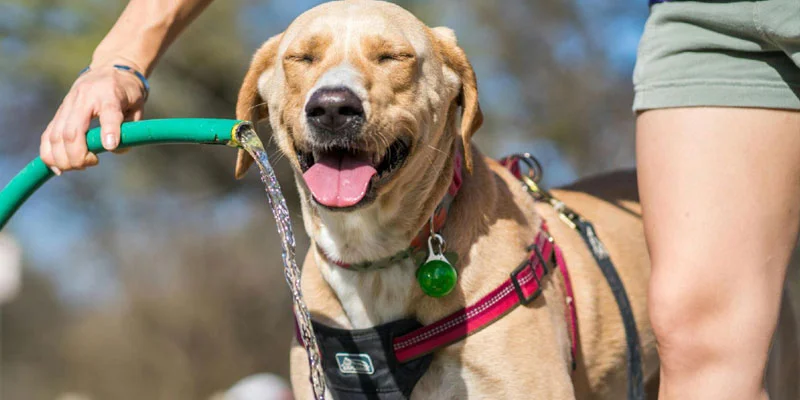
Dogs regulate body temperature almost entirely through panting and the pads of their feet. When the air temperature matches or exceeds their body temperature (around 38–39°C for most dogs), this system stops working effectively.
What makes Indian summers uniquely dangerous:
- Temperatures in Noida, Delhi, and Jaipur regularly breach 44°C between May and June.
- Humidity in coastal cities like Mumbai and Chennai traps heat further, reducing panting efficiency.
- Concrete and asphalt surfaces absorb heat all day and can reach 65°C+ by afternoon, burning paws in seconds.
- A dog’s normal body temperature is 38–39°C. Heatstroke sets in at 41°C. At 43°C, organ failure can begin within minutes.
No breed is fully immune to heat. But some are far more vulnerable than others.
Which Dog Breeds Struggle Most in Indian Summer? (Summer Dog Breeds at Highest Risk)
The breeds that suffer most in Indian heat fall into three categories: thick double coats, flat-faced (brachycephalic) builds, and large working dogs with heavy fur. If you own any of these, summer requires active precautions, not just common sense.
Brachycephalic (Flat-Faced) Breeds: Highest Risk
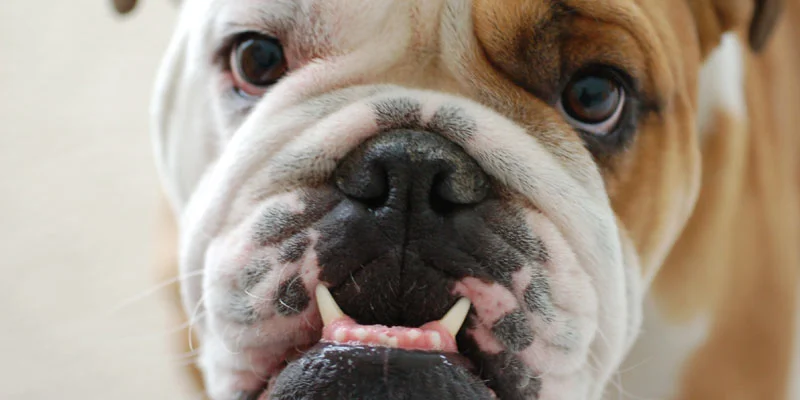
These dogs have shortened nasal passages, which means they struggle to pant efficiently even on a cool day. In the Indian summer, the heat becomes life-threatening.
- Pug
- French Bulldog
- English Bulldog
- Shih Tzu
- Boxer
A study in Scientific Reports found that flat-faced breeds are 3 times more likely to suffer heatstroke than longer-snouted breeds. If you own a Pug in Noida, summer is genuinely dangerous.
Double-Coated Cold-Climate Breeds: High Risk
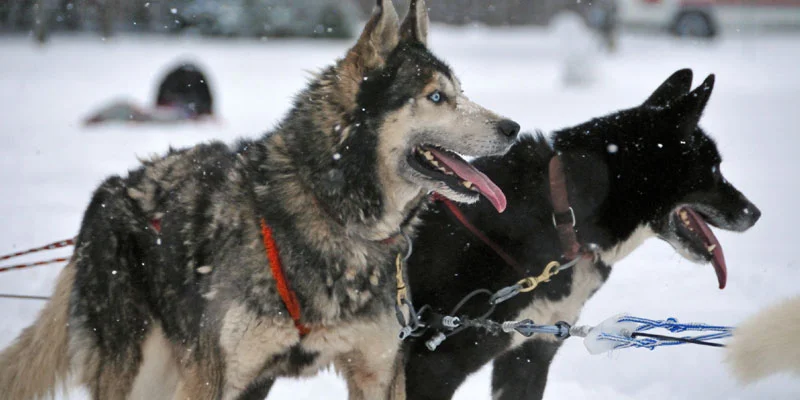
These breeds were developed for snow and sub-zero temperatures. Their dense undercoat acts like insulation: great in the Himalayas, dangerous on a Delhi afternoon.
- Siberian Husky
- Saint Bernard
- Chow Chow
- Alaskan Malamute
- Samoyed
Despite their increasing popularity in Indian metropolises, Huskies and Saint Bernards are genuinely ill-suited to a plains climate. If you own one, indoor air conditioning is not optional.
Large Heavy-Coated Breeds: Moderate-High Risk
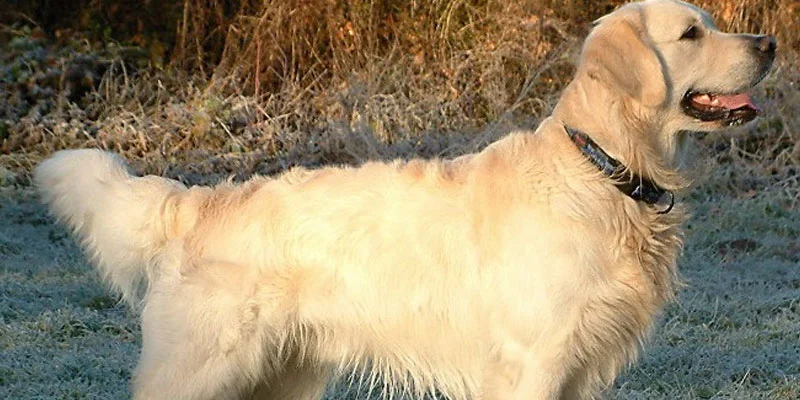
- Golden Retriever
- German Shepherd (long-coat variety)
- Bernese Mountain Dog
- Great Pyrenees
Best Dog Breeds for Indian Climate / Best Dog Breeds for Summer / Dogs for Hot Weather
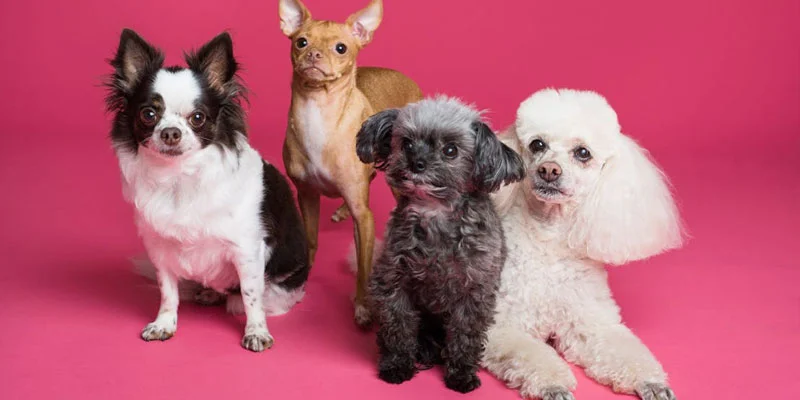
These breeds evolved in warm or tropical climates and naturally tolerate Indian heat far better:
- Indian Pariah Dog (INDog): the gold standard for heat tolerance in this country
- Rajapalayam, a sighthound from Tamil Nadu, is built for hot, dry conditions
- Kombai: hardy, lean South Indian breed
- The Mudhol Hound is lean and adapted to the heat of the Deccan Plateau.
- Dobermann short coat, lean build, reasonable heat tolerance
- Beagle: short coat, manageable size, decent heat adaptability
7 Warning Signs Your Dog is Overheating (Most Pet Parents Miss These)
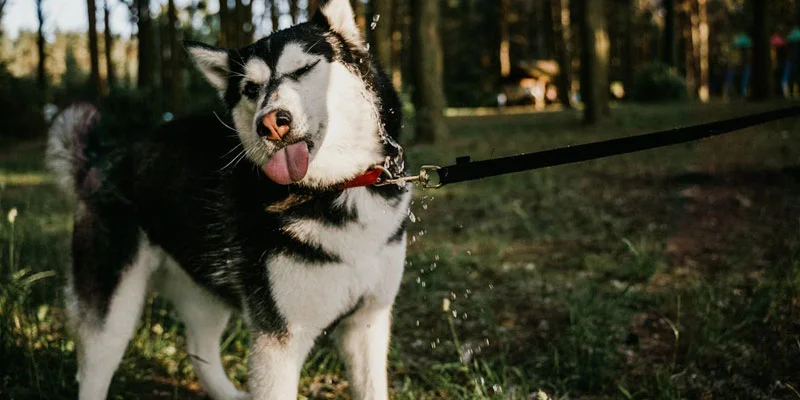
Most heatstroke cases in dogs are preventable. The problem is that the early signs are subtle, and by the time obvious distress is visible, the situation can already be critical.
Watch for these signs, especially during or after outdoor time:
- Excessive, rapid panting that doesn’t slow down even in the shade
- Thick, sticky saliva or drooling more than usual
- Bright red or pale gums (check by lifting the lip; gums should be pink)
- Glassy or unfocused eyes
- Stumbling, weakness in the legs, or sudden collapse
- Vomiting or diarrhea, sometimes with blood
- Unusual quietness and lack of response to their name: an early sign of neurological stress
Trust your instincts. If your dog seems “off” after being in the heat, don’t wait to see if they improve.
Dog Panting vs. Heat Stress: How to Tell the Difference
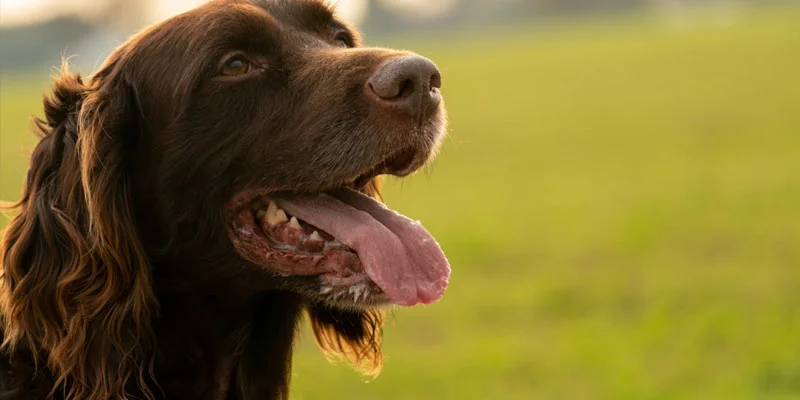
Normal panting keeps dogs cool and is perfectly healthy. Heat-stress painting is different, and knowing which one you’re looking at matters.
Normal panting:
- Rhythmic and steady
- Tongue pink and flat
- The dog is alert and responsive
- Settles down within a few minutes of rest in a cool spot
Heat stress panting:
- Loud, labored, or frantic
- Tongue dark red, wide, and curled at the edges
- The dog seems restless or confused despite resting
- The dog’s condition does not improve after 10 minutes in the shade with water.
The simplest test: offer water and shade. Normal painting resolves. Heat stress panting doesn’t.
Signs Your Dog is Dehydrated in Summer (And What It Looks Like)
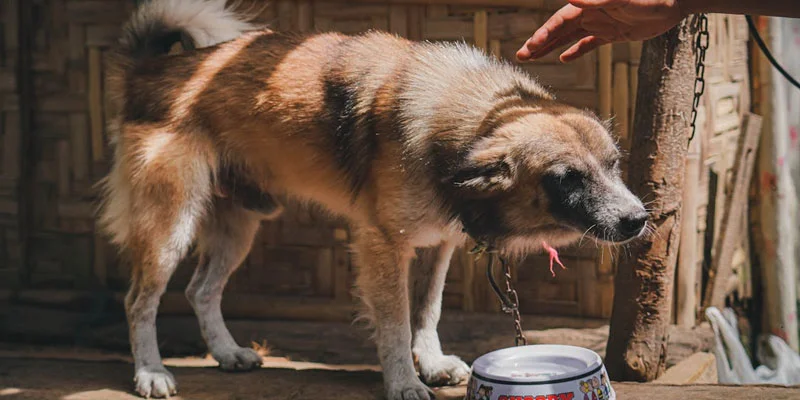
Dogs lose water rapidly through panting, and Indian summers accelerate the process. A medium-sized dog can become significantly dehydrated within a couple of hours in direct heat.
Quick at-home dehydration check:
- Skin tent test: Gently pinch the skin at the back of the neck. In a hydrated dog, it snaps back immediately. If it stays raised for 2+ seconds, dehydration is likely.
- Gum check: Press your finger against the gums. The color should return within two seconds. Slower = dehydration or circulatory stress
- Sunken eyes are a later sign, but clearly visible.
- Dry nose and reduced urination throughout the day.
Dehydration compounds heatstroke risk. A dog that is already dehydrated will reach a dangerous level of heat exposure more quickly.
Common Mistakes Pet Parents Make in Summer Care
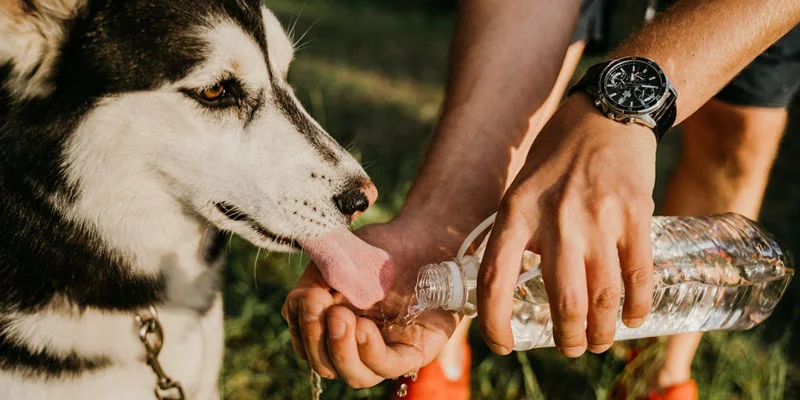
Many heatstroke cases happen not from neglect, but from well-meaning decisions that turn out to be wrong. These are the most common ones seen in Indian households.
- Walking dogs at noon or 2 PM. Peak heat hours in most Indian cities are 11 AM to 4 PM.
- Leaving dogs in parked cars: the interior temperature can reach 60°C within 10 minutes, even on a mild day.
- Shaving double-coated breeds: the undercoat actually insulates against heat; shaving disrupts this insulation and can worsen sun exposure.
- Relying solely on a bowl of water, dogs need water available at all times, not just at meal times.
- Ignoring balcony and terrace surfaces: stone and tile outdoors absorb and radiate heat at dangerous levels.
- Assuming indoor dogs are fully safe, a poorly ventilated room without AC can still cause heat stress.
Indoor vs. Outdoor Dogs: Who Faces More Summer Risks?
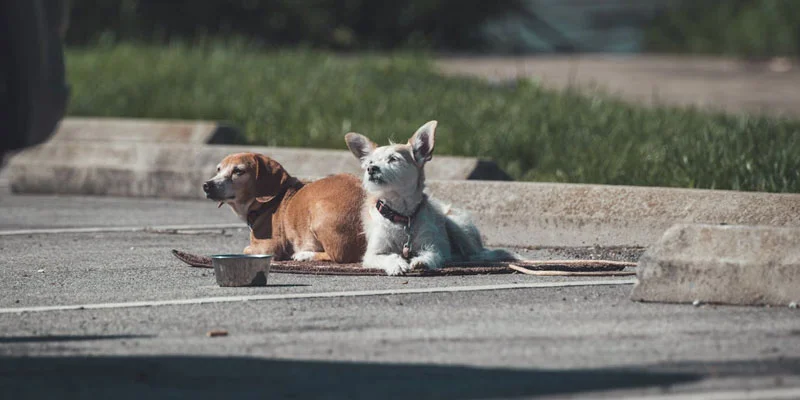
The honest answer is that both indoor and outdoor dogs face risks, but for different reasons. The bigger determinant is management, not location.
Outdoor dogs:
- Continuous sun exposure and limited access to shade create a sustained heat load.
- Concrete-floored kennels become heat traps by afternoon.
- Limited access to fresh, cool water is a major risk factor.
Indoor dogs:
- Power cuts in Indian summers are common; when AC fails, a hot, closed room can become dangerous within 30–40 minutes for heat-sensitive breeds.
- Dogs that are less acclimated to outdoor heat find even a short walk riskier.
- Owners often underestimate risk because the dog “seems comfortable at home.”
- The breed matters more than whether it’s indoors or outdoors. A Siberian Husky in a flat with frequent power cuts faces a genuine risk every summer.
What to Do If Your Dog Shows Signs of Heatstroke (Step-by-Step Guide)
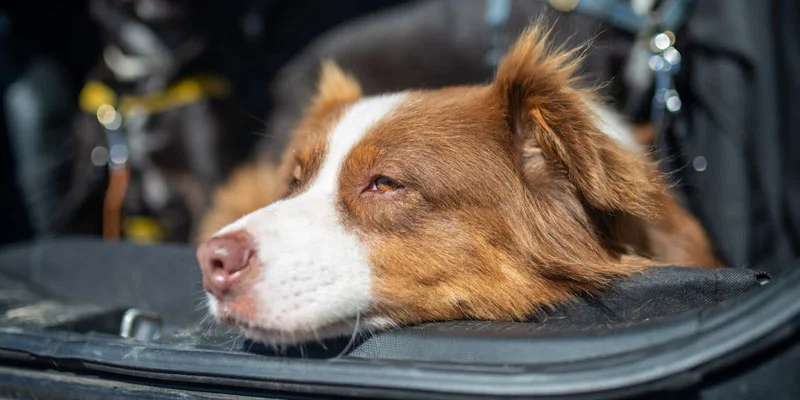
Heatstroke is a medical emergency. Your response in the first 10 minutes makes a significant difference to the outcome.
Step 1: Move the dog immediately to a cool, shaded, or air-conditioned space.
Step 2: Offer small amounts of cool (not ice-cold) water. Don’t force it.
Step 3: Wet the dog’s body with cool water, focusing on the paw pads, armpits, groin, and neck. These are high-blood-flow areas.
Step 4: Use a wet towel or gentle air circulation (fan or AC). Do not cover with a wet towel; this traps heat.
Step 5: Call your vet or an emergency pet clinic immediately, even if the dog seems to be improving.
Step 6: If you have a pet ambulance number, call it. Keep the dog calm and lying still during transport.
Do not use ice water that causes blood vessels to constrict and traps heat inside the body.
Vet Care Plus operates an emergency vet service and a pet ambulance in Noida, available 24/7. If your dog is showing serious symptoms, call immediately; don’t drive yourself, and try to monitor the dog at the same time.
When Should You Visit a Vet? Immediately? (Red Flag Symptoms)
Some symptoms require professional intervention right away. Home cooling is first aid; it is not treatment.
Please visit an emergency vet promptly if you observe:
- Seizures or muscle tremors
- Unconsciousness or inability to stand
- Vomiting with blood or bloody diarrhea
- Gums that are white, grey, or blue-tinged
- Breathing that is labored, wheezing, or irregular
- The temperature doesn’t drop after 15 minutes of cooling
Internal organ damage from heatstroke, particularly kidney damage, can occur without external symptoms being severe. A vet visit after any heatstroke episode is essential, even if the dog appears to recover.
Best Ways to Keep Your Dog Cool at Home (Easy Daily Tips)
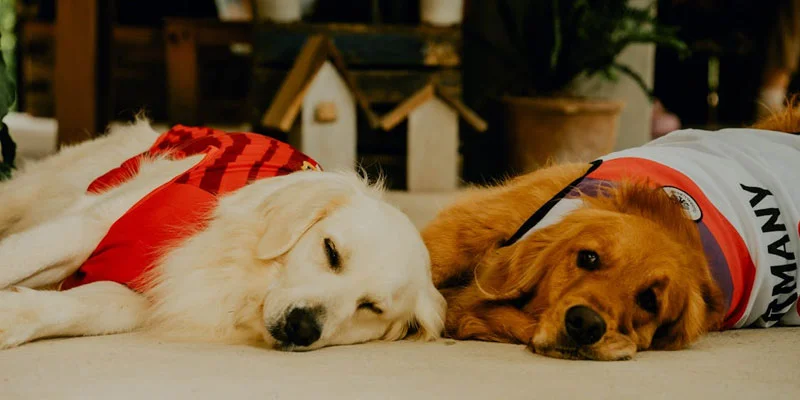
Prevention is always simpler and safer than emergency response. These habits cost very little and dramatically reduce the risk in summer.
- Keep fresh water in multiple spots around the house, including near their sleeping area.
- Use a cooling mat (widely available online in India for under Rs. 500) in their regular resting spot.
- Wet their paw pads with cool water twice a day; this process actively draws heat out.
- Ensure ventilation in every room the dog accesses, even briefly
- Freeze low-sodium chicken broth in an ice tray for a safe, cooling treat.
- Schedule walks before 8 AM or after 7 PM: the 30-minute rule: if the road is too hot for your bare hand after 7 seconds, it’s too scorching for paw pads.
- For high-risk breeds (Pugs, Huskies, Saint Bernards), consider a small paddling pool in a shaded outdoor area.
Must-Have Summer Essentials for Dogs: (Cooling Products & Care Tools)
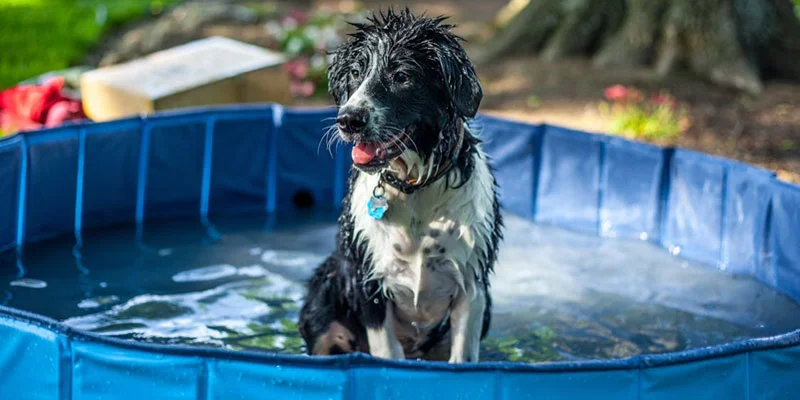
You don’t need to spend a lot. These are the items that genuinely make a difference during the Indian summer.
- Cooling mat gel-based, self-cooling, no electricity needed. Rs. 300–600
- Portable water bottle with attached bowl for walks and car trips. Rs. 200–400 Dog-safe sunscreen, especially for pink-nosed breeds and those with thin coats. Available at most pet clinics
- Breathable mesh harness avoids heat retention around the chest compared to padded harnesses
- Paw balm protects pads from hot surfaces; apply before morning walks.
- An elevated mesh bed keeps the dog off hot floor surfaces and allows air to circulate.
Avoid thick padded jackets (some owners use these for small breeds in AC), rubber or plastic water bowls that heat up quickly, and collars that fit tightly; heat causes mild swelling.
Can Dogs for Hot Weather Survive Heatstroke? Facts Every Pet Parent Should Know

Yes, and the numbers are sobering. A British Veterinary Association (UK data) found that 1 in 7 dogs treated for heatstroke died. The mortality rate rises sharply when dogs arrive at a clinic more than 90 minutes after symptoms begin.
- Body temperature above 41.1°C causes protein breakdown in cells.
- At 43°C, multiple organ failure can occur within 30 minutes.
- Even dogs that survive severe heatstroke can have lasting kidney and neurological damage.
- Brachycephalic breeds (Pugs, Bulldogs) have significantly higher mortality rates from heatstroke.
The good news: heatstroke is almost entirely preventable. Timing walks correctly, managing the environment, and knowing the warning signs—these simple steps save lives.
Safe Walk Timings for Summer Dog Breeds in Hot Weather
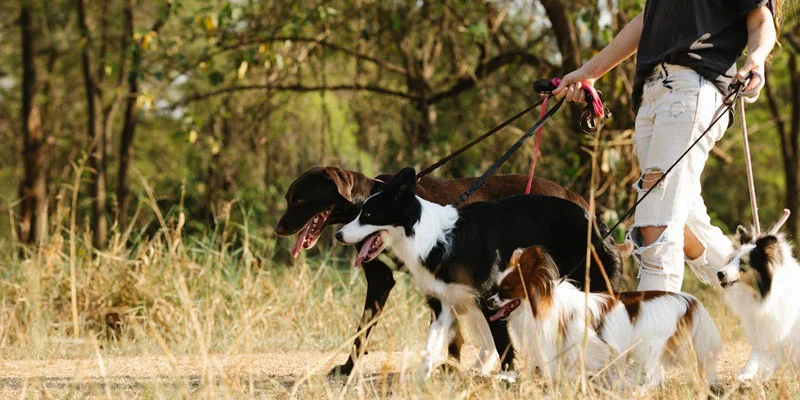
This adjustment is the most practical change any dog owner can make. Walk timing is the single biggest controllable factor in summer heat risk.
Safe walk windows in Indian summer (April–June):
- Morning: Before 7:30 AM is ideal. The ground has cooled overnight, and the sun is low.
- Evening: After 7:00 PM is acceptable once surface temperatures drop.
- Avoid: 10 AM to 6 PM; this is the danger window in most Indian cities during peak summer.
Quick surface test:
- Hold your palm flat on the road or pavement for 7 seconds.
- If it’s uncomfortable for your hand, it will burn your dog’s paw pads.
- Dogs feel heat from below (the road) and above (the sun) simultaneously; their heat load is far higher than yours on the same walk.
Short, frequent walks in the early morning are better than one long walk during the day. High-risk breeds should have outdoor time capped at 15–20 minutes, even in the early morning during May–June.
Vet Care Plus offers complete pet care services throughout the entire summer

One place. Every service. Total peace of mind for your pet. When summer heat hits hard, your dog needs more than just basic care; they need a trusted team that handles everything under one roof. At Vet Care Plus, we’ve got your pet covered from every angle.
Our Services:
- Expert veterinary consultations and health check-ups
- Professional grooming tailored for summer comfort
- Certified dog training centre by experienced behaviorists
- Luxurious, climate-controlled boarding designed for your pet’s comfort
- Summer wellness check-ups to assess your dog’s heat risk before peak months
- Emergency veterinary care is available 24/7, ensuring assistance is always on call when you need it most.
- Pet ambulance service available round the clock for critical situations
Why Vet Care Plus Stands Apart:
- Only certified, experienced vets and pet care professionals are on our team
- All services available under one roof, no running around
- Personalized care plans based on your pet’s breed, age, and health history
- Affordable pricing with complete transparency, no hidden charges
- Compassionate, stress-free environment for every pet
- Trusted by thousands of pet parents for consistent, reliable care.
Conclusion
Indian summers don’t forgive careless pet parenting, and they shouldn’t have to, because the risks are entirely manageable. Know your breed, adjust your routine, and never ignore the early signs. A dog panting in distress at 2 PM is not being dramatic; they’re telling you something is wrong. The difference between a close call and a tragedy is usually just awareness and a 10-minute response. If you’re ever unsure, call a vet. At Vet Care Plus, our emergency line and pet ambulance are available 24/7 across Noida because summer emergencies don’t wait, and neither should you.
Frequently Asked Questions
Indian Pariah Dogs (INDogs) are the best-adapted breed for Indian heat; they evolved here over centuries. Among pedigree breeds, Dobermanns, Beagles, and Rajapalayams handle Indian summers reasonably well due to their lean build and short coats.
Yes, but only with active management: consistent AC, no outdoor time between 10 AM and 6 PM, and regular monitoring for signs of overheating. Huskies are at high risk in the Indian plains’ climate and are not recommended for homes without reliable air conditioning.
Most dogs start to experience heat stress when air temperatures exceed 32°C, especially when humidity is high, or they are in direct sunlight. At ambient temperatures above 38°C, outdoor activity for non-acclimatized breeds should be avoided entirely, as prolonged exposure can lead to heat stress and increase the risk of heatstroke in dogs.
Tired dogs pant and then settle. A dog with heatstroke will continue panting heavily even after rest and shade, may seem confused or unresponsive, and their gums may appear red or pale. If in doubt, get to a vet; it’s always better to check.