
Table of Contents
Every summer, thousands of dogs across India suffer from heat-related illness, and most of the time, their owners have no idea anything is wrong until it’s too late.
In cities like Noida, where temperatures regularly cross 42°C between April and June, the risk is very real. Dogs don’t sweat the way humans do. They regulate body heat almost entirely through panting, which becomes less effective as humidity rises and temperatures climb.
Here’s the hard truth: a study published in Scientific Reports found that 14% of dogs admitted for heat-related illness in clinical settings died, and in hotter climates, that number can rise to 50%. Most of those deaths were preventable.
This guide covers everything you need to know about how to take care of dogs in the summer: the warning signs pet parents miss, which dogs are most vulnerable, and what to do when things go wrong.
Why Summer Heat Is Dangerous for Dogs (What Every Pet Parent Must Know)
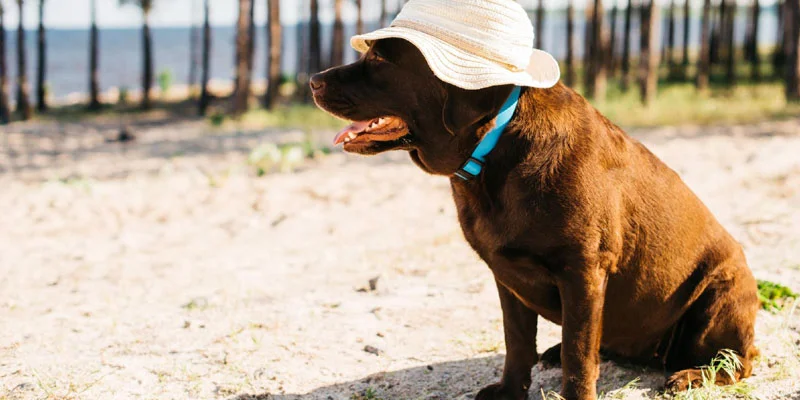
Dogs experience heat completely differently from us. While humans sweat from nearly every inch of skin, dogs sweat only through the pads of their feet. Panting is their primary cooling mechanism, and it has serious limits.
When the air temperature equals or exceeds body temperature, panting stops working. Heat builds up faster than the body can release it, and internal organs begin to suffer.
A dog’s normal body temperature ranges from 38°C to 39.2°C. When it crosses 41°C, organ damage begins. At 42°C and above, brain damage, kidney failure, and death are all possible, and these effects can happen within minutes, not hours.
7 Warning Signs Your Dog Is Overheating (Most Pet Parents Miss These!)
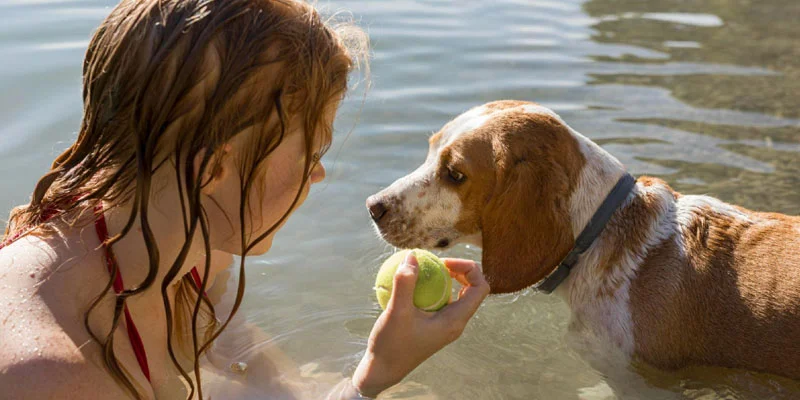
Knowing the dog overheating symptoms early can be the difference between life and death. The 7 warning signs of dog overheating symptoms are excessive panting, drooling more than usual, red or pale gums, glassy or unfocused eyes, stumbling or weakness, vomiting, and unresponsiveness or collapse. If you notice any of these signs in dogs in summer heat, please act promptly.
Here are the seven signs in full, ranked from early warning to emergency:
- Excessive, heavy panting that won’t stop. Normal dogs pant after exercise and then settle. If panting is rapid, loud, and continues even at rest, something is wrong. The tongue may appear wider and flatter than usual when stretched to increase its surface area for cooling.
- Thick, excessive drooling: Saliva production spikes as the body desperately tries to cool itself. If you’re seeing strings of thick drool that are unusual for your dog, take it seriously. This condition is an early-stage sign but can escalate quickly.
- Gums that are bright red, pale, or grey. Healthy dog gums are pink and moist. Bright red gums signal that the body is pumping blood to the surface while trying to cool down. Pale or grey gums mean circulation is failing. This situation is an emergency.
- Glassy, unfocused, or vacant eyes. A dog in heat distress will often look “far away” or confused. Their gaze loses the sharpness you’re used to. When combined with other symptoms, this behavior indicates that the brain is under thermal stress.
- Stumbling, weakness, or reluctance to move in the heat can quickly affect muscle function. If your dog is wobbling, dragging a leg, or suddenly unwilling to walk, do not push them further. This is the body shutting down non-essential functions to manage the crisis.
- Vomiting or diarrhea. The gut is highly sensitive to temperature spikes. Vomiting, particularly if it occurs suddenly and repeatedly during or after exposure to heat, is a serious warning sign, not merely a sign of an upset stomach.
- Unresponsiveness or collapse. This is the final stage before death. If your dog goes limp, stops responding to their name, or collapses, you have minutes to act. Do not wait. Head to a vet immediately.
Which Dogs Are at Higher Risk During Summer? (Breeds, Age & Health Factors)

Not every dog is equally vulnerable. Certain physical traits, life stages, and health conditions make some dogs dramatically more susceptible to dog problems in summer:
- Breeds with flat faces (brachycephalic breeds) are at the highest risk. These include: Pugs, French Bulldogs, English Bulldogs, Shih Tzus, Boxers, Pekingese.
- Their shortened airways mean they already struggle to move enough air, and panting becomes even less efficient for them. Research published in the VetCompass program confirmed flat-faced breeds were significantly overrepresented in heatstroke dog cases.
- Age is also a major factor. Senior dogs (7+ years) have reduced cardiovascular efficiency and can’t regulate their body temperature as well. Puppies under 6 months haven’t fully developed their heat-tolerance mechanisms either.
- Other high-risk factors include: Obesity or being overweight, Previous history of heatstroke dog (increases future risk significantly), Heart or respiratory disease, Thick double coats (Huskies, Chows, Samoyeds), Dogs on certain medications that affect circulation.
Dog Panting vs. Heat Stress: How to Tell the Difference
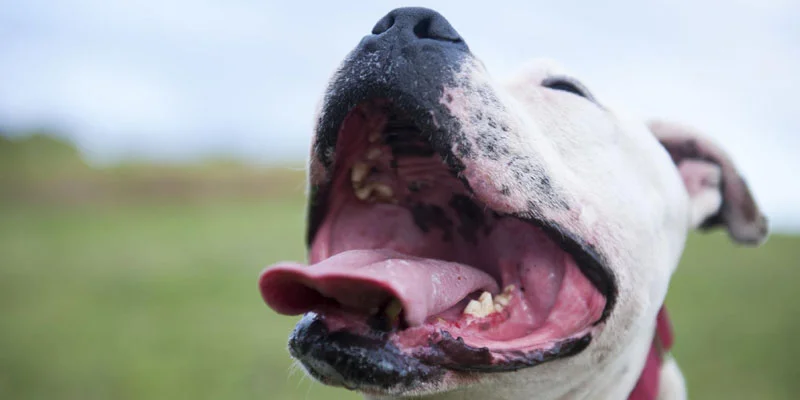
All dogs pant. The question is whether the panting is normal or a sign of heat stress.
Normal panting occurs after exercise or excitement, is rhythmic and moderate, and stops within a few minutes of rest in a cool spot.
Heat stress panting looks different. It’s faster and more laborious than usual. The tongue hangs further out than normal, often curled at the tip. The dog doesn’t settle even after moving to shade or indoors. It’s accompanied by restlessness; the dog can’t find a comfortable position. Saliva is noticeably thicker and stickier.
If your dog has been resting indoors for 10 minutes and is still panting heavily, treat it as heat-stressed until proven otherwise.
Signs Your Dog Is Dehydrated in Summer (And What It Looks Like)
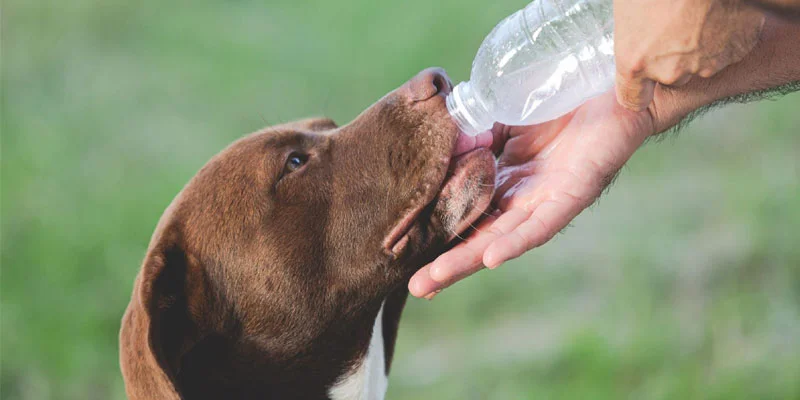
Dehydration of dogs in summer is sneaky; it often appears before visible signs of overheating, and many pet parents mistake it for tiredness.
The simplest test: Gently pinch the skin at the back of your dog’s neck and release. In a hydrated dog, the skin snaps back immediately. If it stays tented or returns slowly, your dog is likely dehydrated.
Other signs to watch for:
- Dry or sticky gums (normally moist and slightly slippery)
- Sunken eyes
- Loss of energy or sudden disinterest in play
- Dark yellow or reduced urination
- Dry nose (though this alone isn’t definitive)
Dogs in hot weather lose water rapidly through panting. A medium-sized dog can lose several hundred milliliters of water per hour on a hot day. Always ensure fresh, cool water is available, not just at home but on every outing.
Common Mistakes Pet Parents Make in Summer Care
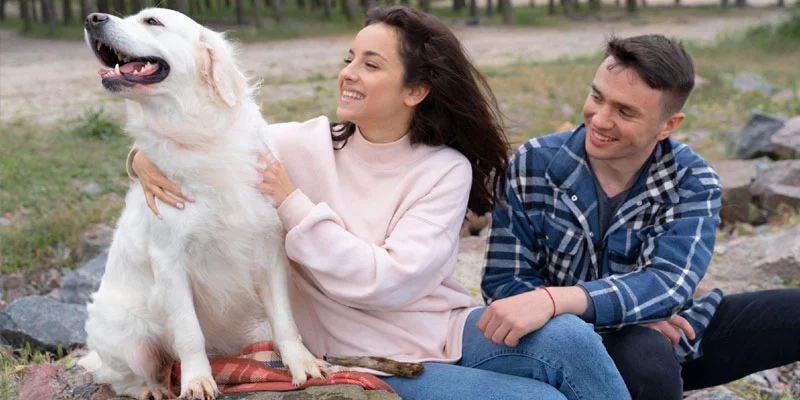
Most heatstroke dog cases happen not from neglect but from genuinely not knowing better. These are the most common missteps:
- Pet owners often walk their dogs at inappropriate times. Many pet parents walk their dogs at 11 am or 2 pm without realizing pavement temperatures can exceed 60°C by then.
- Relying on shade. Shade reduces direct sun but not ambient heat. On a 42°C day, sitting in the shade is still 42°C.
- Thinking long-haired dogs need a summer shave. A double coat insulates against both heat and cold. Shaving can remove that protection and increase the risk of sunburn.
- Leaving dogs in parked cars “just for 5 minutes.” On a 35°C day, car interior temperatures can hit 55°C in under 10 minutes, even with windows cracked.
- Pushing through exercise because the dog seems willing. Dogs will run until they collapse to please their owners. Enthusiasm is not a sign of safety.
- Give ice-cold water immediately to an overheated dog. This can cause blood vessels to constrict, which is counterproductive. Cool water is fine; icy water is not.
Indoor vs. Outdoor Dogs: Who Faces More Summer Risks?
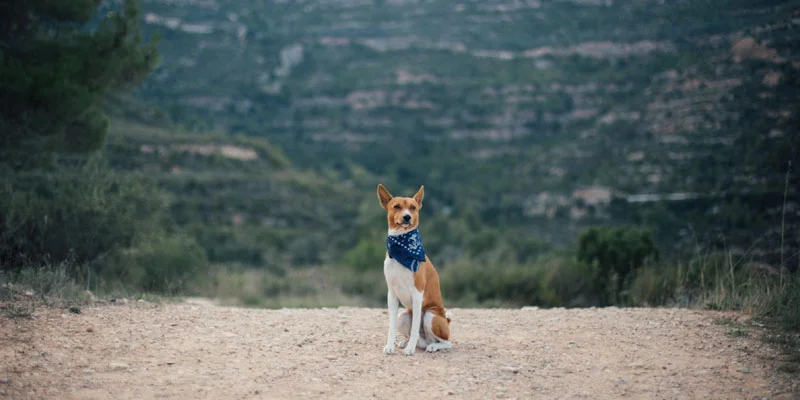
The assumption that indoor dogs are safe and outdoor dogs are at risk is too simplistic.
Outdoor dogs face obvious risks from direct sun exposure, heat radiation from surfaces, and limited access to shade and water. These risks are serious and well-understood.
But indoor dogs face underappreciated risks too:
- Power cuts or AC failures during peak summer hours are common in Noida.
- A room that feels comfortable to humans (28°C) may still be too warm for flat-faced breeds during the afternoon heat.
- Indoor dogs often have lower heat tolerance because they’re not acclimatized, which can lead to overheating during peak summer hours, especially in environments with power cuts or AC failures.
The honest answer is that both types of dogs need active summer management, not just one.
What to Do If Your Dog Shows Signs of Heatstroke (Step-by-Step Guide)
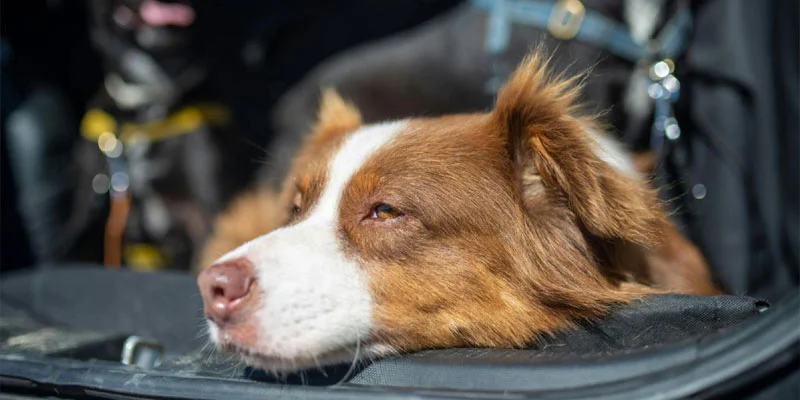
If you suspect your dog is experiencing heatstroke, every minute is crucial. Here’s exactly what to do:
Step 1: Move them immediately. Get the dog out of the heat. Move to an air-conditioned room or, at a minimum, a shaded, ventilated space.
Step 2: Gradually cool the dog down. Use cool (not cold or iced) water. Wet a towel and apply it to the neck, armpits, and groin, the areas where blood vessels are close to the skin. You can also pour cool water over the back.
Step 3: Offer small sips of water. Don’t force water. If the dog is alert enough to drink on their own, let them take small, frequent sips of cool water.
Step 4: Fan the dog. Air movement accelerates cooling. Point a fan at the wet areas of the dog’s body.
Step 5: Call the vet or take them in immediately. Even if the dog appears to recover, internal organ damage may have already occurred. Always have a vet assess a dog showing signs of heatstroke.
When Should You Visit a Vet Immediately? (Red Flag Symptoms)

Some symptoms mean “see a vet today.” These mean “go right now”:
- Collapse or inability to stand
- Seizures or convulsions
- Gums that are pale, grey, or blue-tinged
- Unresponsiveness to their name or touch
- Body temperature above 40.5°C (if you can measure it)
- Bloody diarrhea or vomiting
- Breathing that stops and starts
These are signs of advanced heat stroke dogs symptoms; the window for intervention is narrow. Do not attempt to treat these at home.
Best Ways to Keep Your Dog Cool at Home (Easy Daily Tips)
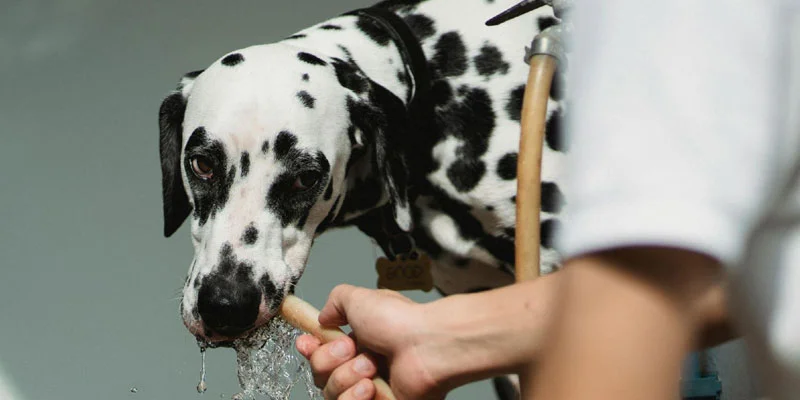
Prevention beats treatment every time. Understanding how to take care of dogs in the summer starts with these daily habits that actually work:
- Freeze treats. Kong stuffed with peanut butter and frozen, or plain frozen watermelon pieces, is cool and hydrating.
- Wet mats or cooling pads. Place a damp towel or a purpose-made cooling mat in your dog’s resting spot.
- Always keep multiple water bowls. Not just one. Dogs are more likely to drink when water is placed in multiple spots around the home.
- Avoid the hottest rooms. South-facing rooms without AC can reach dangerous temperatures by 2-3 pm. Keep dogs in the coolest room in the house.
- Cool baths, not cold showers. A lukewarm bath cools the body effectively without shocking the system.
- Examine the floor. Hot air rises. Dogs lying on the floor are actually closer to the coolest air in the room. Raised beds can help with airflow.
Must-Have Summer Essentials for Dogs: (Cooling Products & Care Tools)
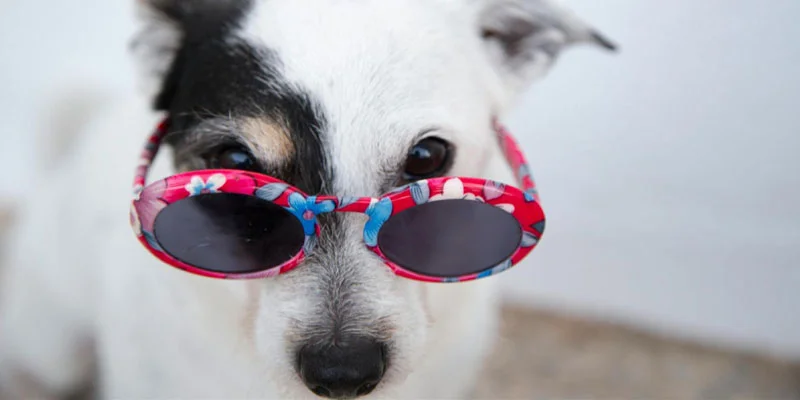
These are genuinely useful, not luxury items:
- Cooling mat (gel-filled or water-activated)
- Portable travel water bottle: non-negotiable for any outing
- Paw balm protects against pavement burns
- Cooling vest or bandana, particularly helpful for brachycephalic breeds
- Rectal thermometer to check body temperature if you suspect overheating (normal is 38°C–39.2°C)
- Fan with misting attachment: inexpensive and effective for outdoor spaces
Can Dogs Die from Heatstroke? Facts Every Pet Parent Should Know
Yes. Heatstroke is a genuine killer.
A peer-reviewed study in the Journal Scientific Reports found a 14% event fatality rate in the UK, a temperate climate. Fatality rates of 50% or higher were recorded in Israel and Germany, where summer temperatures are similar to those in Noida.
Severe heatstroke can leave dogs with lasting kidney damage, neurological effects, or clotting disorders. Recovery is not just about surviving the episode; it’s about what comes after.
The good news: heatstroke is almost entirely preventable with the right knowledge and habits. The bad news: most cases occur because pet parents either didn’t recognize the early warning signs of heat stroke in dogs or delayed seeking help.
Safe Walk Timings for Dogs in Hot Weather
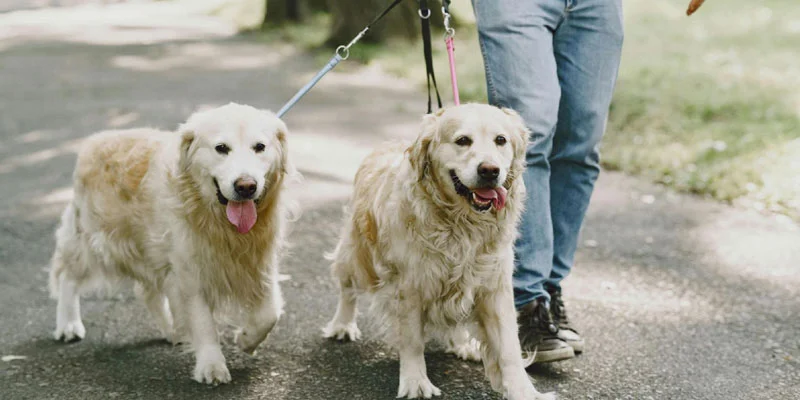
This is simple but critical. In Noida during peak summer months (April–June):
Safe times to walk your dog:
- Before 8 am, ground temperatures are manageable, and the air is cooler.
- After 7 pm: pavement needs at least 3 hours after sunset to cool meaningfully.
Times to avoid completely:
From 10 am to 6 pm, the pavement can exceed 60°C.
The 7-second rule: Place the back of your hand flat on the pavement and hold it for 7 seconds. If you can’t keep it there comfortably, it’s too hot for your dog’s paws.
Keep summer walks shorter than usual, even during safe hours. A 10-minute morning walk is better than a 30-minute midday one. Bring water on every single outing, no exceptions.
Vet Care: Your Dog's Trusted Partner in Health Expert Care, Every Step of the Way

Trusted by thousands of pet parents because your dog deserves expert care, not guesswork.
Why Pet Parents Choose Vet Care:
- 24/7 emergency veterinary support, we’re always available when your pet needs us most.
- Experienced team of certified vets specializing in heat-related illness and critical pet care.
- Advanced in-clinic diagnostics for fast, accurate treatment decisions.
- Personalized care plans tailored to your dog’s breed, age, and health condition.
- Affordable consultations with no hidden charges and quality care within your budget.
- Easily accessible location for quick reach during pet emergencies.
- Trusted by thousands of pet parents for compassionate, reliable veterinary care.
Conclusion
During the summer, dogs are at considerable, sometimes deadly, risk from the heat, especially in hot places like India.
Excessive panting, copious drooling, red or pale gums, glazed eyes, weakness, vomiting, and collapse are all important warning signals that are dog overheating symptoms. Flat-faced breeds, older dogs, puppies, and overweight dogs are at the highest risk
It’s easy to stop: only walk in the morning or evening, make sure they always have access to water, and never leave them in parked cars. If you think your dog has heatstroke, cool him down slowly and take him to the clinic right away. Most heat-related deaths in dogs can be completely avoided if you know what to do.
Frequently Asked Questions
Dogs start experiencing heat stress when ambient temperatures cross 30°C, especially with high humidity. At 35°C and above, the risk of overheating during outdoor activity rises sharply. In Noida summers, even morning temperatures can hit 32°C by 8 am in May and June.
Rapidly. In a parked car on a 35°C day, the interior temperature can reach 55°C within 10 minutes. At those temperatures, heatstroke can set in within 15–20 minutes. During outdoor exercise in peak heat, it can happen even faster.
No, avoid icy or ice-cold water. It causes peripheral blood vessels to constrict, reducing the body’s ability to dissipate heat. Use cool (not cold) water externally, and let the dog drink cool water at their own pace.
Brachycephalic (flat-faced) breeds like Pugs, French Bulldogs, Shih Tzus, and Boxers are at the highest risk. Thick-coated breeds like Huskies and Samoyeds also struggle significantly in Indian heat. Senior dogs and puppies of any breed need extra care.
Please promptly relocate them to a cool area, gently apply cool (not cold) wet towels to the neck, armpits, and groin, and seek veterinary assistance without delay. Call ahead if possible so the clinic can prepare. Do not wait to see if they recover on their own.