
Table of Contents
Excessive shedding, ticks, bad-smelling, tangled fur and overgrown nails are some of the challenges facing pet parents. Most novices are not aware of the amount of grooming that is required and whether they should have their grooming professionally done or not. Such hygiene problems may cause skin infections, discomfort, and behavioral stress to pets.
This step-by-step guide will enable amateurs to know how pet grooming in Noida can solve most of the common hygiene problems and how to create a systematic grooming program to ensure that pets stay healthy and comfortable.
What Pet Grooming Is
Pet grooming is the keeping of your pet clean, well-groomed, with the right nail length, clean ears and skin. It involves brushing, bathing, trimming, cleaning of ears and normal examination of coat and skin.
Grooming enhances physical comfort and assists in the early detection of health-related problems like ticks, infections or allergies before they become severe problems.
- Keeps coat clean by getting rid of dirt, oil and loose hair that can cause skin irritation.
- Eliminates matting and tangles that may result in discomfort in pets and limitation of movement.
- Assists in early wound detection, tick detection, allergies, or abnormal lumps under fur.
- Enhances cleanliness in sensitive spots like ears, nails and paws, which are usually a gathering point of bacteria.
Why Grooming is Important for Pets
Unhealthy grooming habits can cause skin infections, unpleasant smell, discomfort and behavior problems in pets. Frequent grooming helps in hygiene and health in the long run.
- Minimizes the chances of ticks, fleas, and bacterial infections that can cause skin health and comfort issues.
- Controls shedding and keeps coat clean, enhances indoor hygiene and minimizes allergens.
- Keeps the nails of the right length, which does not make walking or playing uncomfortable.
- Enhances the relationship between the pet and its owner by providing routines of hygiene care.
- Assists in keeping track of seasonal changes in shedding of fur and skin.
- Protects against ear infections due to earwax or trapped moisture in the ears.
Essential Beginner Grooming Steps
Simple grooming routines are a good place to start making pets adapt to normal hygiene care.
- Have the brush coat frequently removed to remove loose hair and tangles, as this assists in enhancing the texture of the coat, as well as shedding.
- Keep nails trimmed in order to avoid overgrowth, which can be uncomfortable during walking or running.
- Wipe ears with a pet-safe solution to avoid irritation and bacterial infections.
- Check skin once a week, looking for redness, with ticks, injuries, or suspicious bumps that might need treatment.
- Keep paws clean to eliminate dirt, bacteria and allergens that are picked up on walks.
Introduce Touch Desensitization
Touch desensitization enables pets to feel relaxed about grooming touch and lessens fear of grooming.
- Touch the paws, ears, and tail in a gentle manner, and frequently so that the pets will, over time, learn to tolerate grooming contact.
- Timely presentation of grooming tools: Pets should be comfortable with the unfamiliar objects.
- Condition positive behavior by giving rewards such as treats or praise to develop trust when grooming the dog.
- Initially, keep grooming sessions brief to cause less anxiety and enhance cooperation.
The Bathing Routine
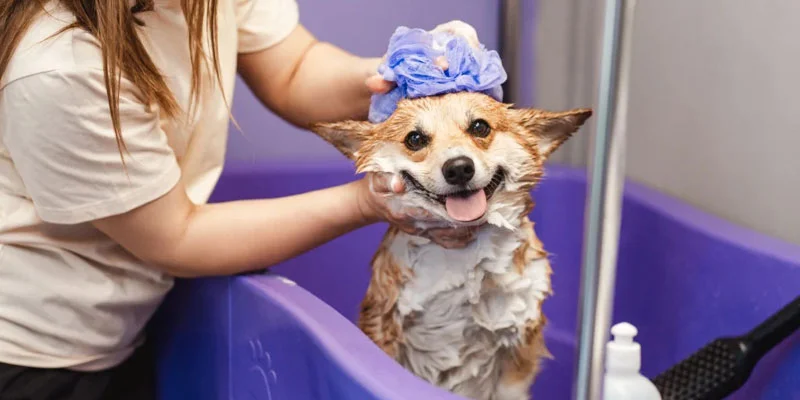
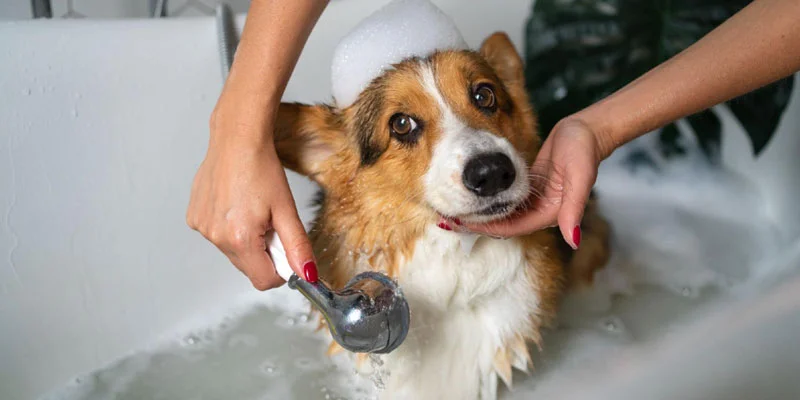
Bathing helps to eliminate dirt, bacteria and allergens that build up in the coat and can lead to itching or infections.
- Apply lukewarm water that is comfortable to your pet and to its skin during the bathing process.
- Use a pet-safe shampoo specific to your type of coat in order to retain natural oil in your skin.
- Wash with a lot of water and make sure that the shampoo remains dry and will not lead to irritation.
- Wipe off all dry with a towel or a low-heat dryer to avoid fungal infections.
- Apply a brush coat once dry to keep it smooth and eliminate loose hair.
Types of Grooming Services
The grooming services offered will depend on the condition of the coat, the type of breed, and hygiene needs.
- Simple grooming involves bathing and brushing, nail trimming and ear cleaning to keep up with hygiene.
- Full grooming involves hair cut, styling and conditioning the coat of those breeds that need to have their coat maintained.
- De-shedding grooming can be used to manage the excessive shedding that is common in thick-coated breeds.
- The tick and flea grooming treatment is also used to prevent skin irritation caused by the parasites.
- Mediated grooming helps pets that are allergic or dermatologically sensitive.
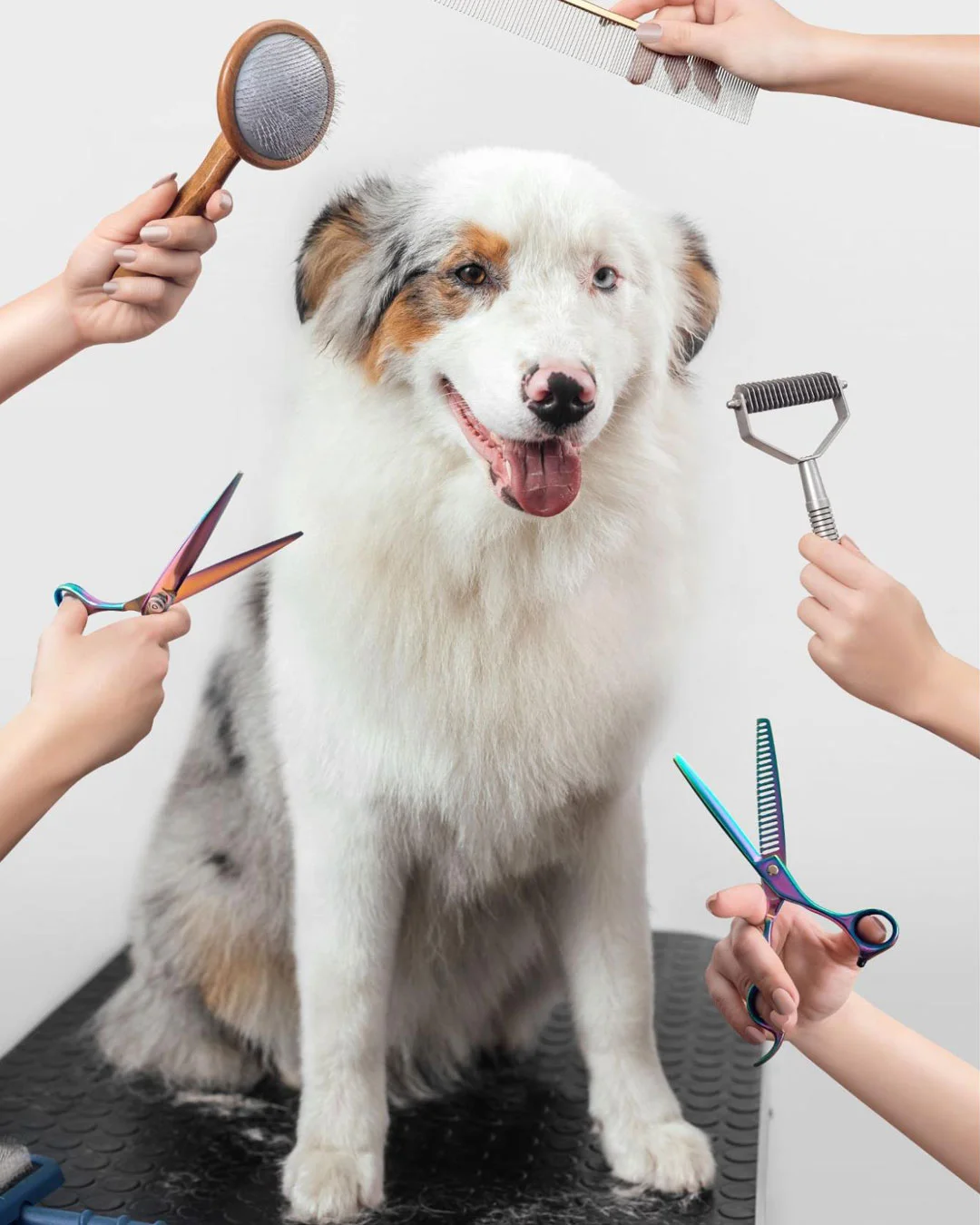
A systematic order of the grooming process is a clarification that all the grooming processes are followed.
- Bathing is best to brush the coat lightly before bathing to get the tangles out and to loosen the loose fur.
- Check coat and skin to find ticks, wounds or irritation.
- Wipe ears with a grooming solution to keep them clean and comfortable.
- Trim nails with a proper grooming clipper to ensure the correct length.
- Bathe the pet using a mild shampoo suitable for the coat and skin type.
- Paint adequately to avoid the accumulation of moisture that leads to infections.
- After drying, brush the coat again to ensure a smooth texture.
- Rewarding the pet following a grooming session is a way of promoting positive behavior.
Basic Grooming Schedule for Beginners Checklist
Task | Frequency |
Brushing | 2–4 times weekly |
Bathing | Every 3–4 weeks |
Nail trimming | Every 3–5 weeks |
Ear cleaning | Weekly |
Teeth brushing | 2–3 times weekly |
Skin inspection | Weekly |
Paw cleaning | Weekly |
Regular grooming sessions make pets more accepting of regular cleaning routines.
Essential Grooming Tools for Beginners
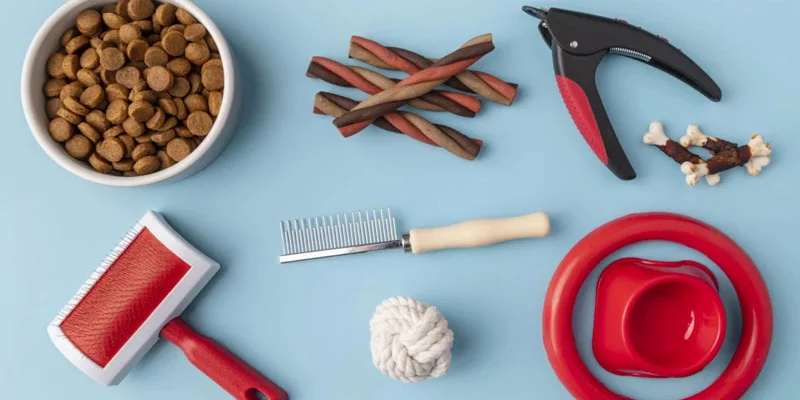
Grooming with proper grooming equipment enhances the safety and efficiency of grooming procedures.
- A slipper brush or comb is used to pull out the loose hair and to keep the long or thick hair untangled.
- A pet nail clipper is safe to trim without cracks or harm to nail tissue.
- The pet-safe shampoo preserves the moisture balance of the skin and avoids skin drying or irritation.
- A microfiber towel assists in drying fast following a bathing routine.
- An ear cleaning solution will keep the ear canal hygienic and avoid infections.
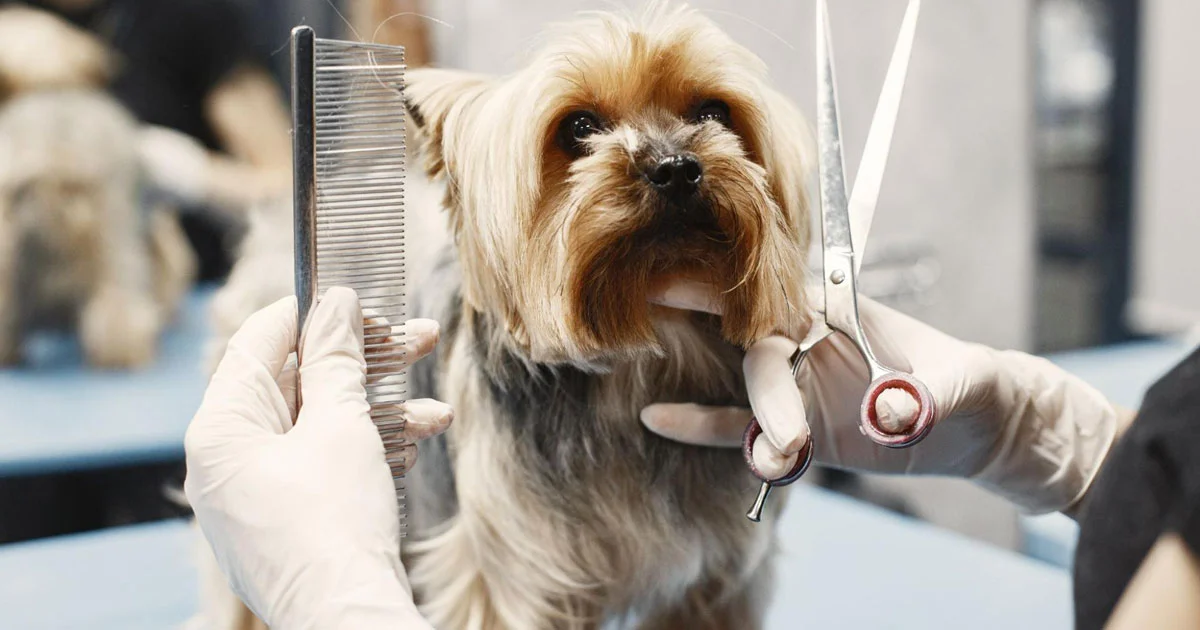
- Grooming scissors are used to keep the area of the eyes, paws and other sensitive places clean.
Professional Grooming vs At-Home Grooming
Professional and home grooming are both significant in keeping pets clean.
At-home grooming:
- Appropriate to the brushing, bathing, nail trimming, and general hygiene upkeep in between therapeutic sessions.
- It helps keep the coat clean and enhances the relationship between the pet and the owner.
- An affordable option for upholding regular hygiene practices at home.
Professional grooming:
- To be used in haircut styling, clipping coats, and breed-specific grooming requirements.
- Groomers will know when a skin infection or other health problems with the coat might exist.
- Beneficial for pets of a nervous nature that need skilled handling and grooming care.
Maintenance Between Professional Sessions
Regular health checks will eliminate severe hygienic problems and save on grooming expenses.
- Brush coat frequently to avoid heavy matting, which can need professional trimming.
- Wipe paws after outside walks to eliminate dirt and bacteria that impact hygiene.
- Clean up ears once a week to avoid the accumulation of wax that may become irritated and infected.
- Check coat often for ticks, fleas or suspicious skin.
- Keep nails long to avoid posture issues or pain when moving.
Watch for Red Flags

Disregard of grooming warning signs can result in severe health issues.
- It may be a sign of allergies, parasites, or infections in case of constant scratching or biting of the skin.
- Redness or patches of hair fall can be a sign of fungal infection or skin sensitivity.
- A good smell of the coat or ears can be a sign of hygiene problems that need to be treated.
- Swelling, cuts or lumps concealed beneath fur must be further examined by a veterinarian.
- Too many tear stains can refer to hygiene, diet, or infection issues.
Grooming Schedule Based on Breed
Various breeds have varying frequencies of grooming based on the type of coat and shedding cycle.
- Labrador Retriever: The Labrador sheds a lot and needs to be brushed on a weekly basis to keep the coat clean. Taking a bath every 4-6 weeks is useful in keeping the natural skin oil balance.
- Shih Tzu: Matting should be prevented by brushing the dog every day and keeping the coat smooth. Coat maintenance is advised to be done by having a professional haircut every 4-6 weeks.
- Indie Dog: The natural coat should be kept in a natural condition with occasional brushing. Take baths when needed to keep skin’s natural protective oils.
- Golden Retriever: The thick coat and seasonal shedding patterns mean that this breed needs to be brushed very often. Frequent grooming can keep the coats clean and minimize loss of hair.
- Pug: Short coats should be brushed regularly to keep them clean. Frequent cleansing of wrinkles is a way of preventing skin infection.
Monthly Grooming Routine Checklist
- Week 1: Detailed brushing training is useful to get rid of loose fur and keep the coat clean. Cleaning of the ears prevents the accumulation of wax and irritation.
- Week 2: Nail trimming assists in keeping nails trimmed and in keeping feet comfortable. Light brushing aids in keeping the coats smooth.
- Week 3: Bathing routine assists in eliminating dirt, allergens and bacteria on the coat. Routine coat check-up identifies the initial signs of skin issues.
- Week 4: Hygiene check-up assists in ensuring consistency in grooming. Arrange a professional grooming session in case of any coat trimming.
Noida-Specific Tips for Beginners
The grooming requirements and frequency are affected by the environmental conditions.
- Exposure to pollution can lead to increased dirt accumulation, which can have an impact on coat hygiene and cleanliness.
- Cases of ticks and skin irritation in pets are high in warm weather.
- Sensitive skin breeds may be impacted by dust exposure and need to be brushed more often.
- The changes in shedding patterns during seasons might necessitate extra grooming.
Pet Grooming Services in Noida (About Vet Care Plus)

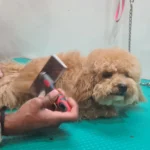

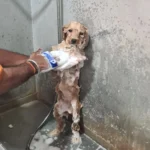

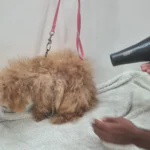
Vet Care Plus is a professional grooming company that is favorable to both new and expert pet owners. Bathing, trimming of coats, nail clipping, ear cleaning and maintenance of hygiene offered by trained personnel can be included as services.
When choosing professional grooming help, pet owners usually enter such keywords as pet grooming near me, pet grooming center near me, grooming stores near me or pet groomer near me into a search engine.
Affordable Groomers Near a Specific Noida Sector
Grooming packages are affordable based on the size of the breed, type of coat and the needs of the grooming.
- Simple packages typically involve washing, brushing, nail clipping and ear cleaning to maintain hygiene.
- Comparison of services assists in establishing cost-effective grooming services that can be used in routine procedures.
- By choosing groomers with experience, it would be safe to handle pets during grooming.
Tips for Choosing the Right Pet Groomer
Selecting the appropriate grooming professional will contribute to a secure and comfortable grooming experience.
- Assess the hygiene of grooming equipment and surroundings in order to avoid the risk of contamination.
- Make sure that the groomer’s experience matches the breed type of your pet to be handled properly.
- Inquire about methods of dealing with nervous or first-time pets.
- Check services covered in the grooming package prior to making an appointment.
- Check customer reviews to assess the reliability and quality of service.
Book Your Session Today

Regular grooming will reduce hygiene issues and enhance the general health of pets. Home grooming with professional services makes pets comfortable, clean and healthy all year round.
Key Takeaways
- Grooming averts infection, matting, and discomfort due to poor hygiene in pets.
- Regular grooming practices enhance the skin and coat health.
- Frequent grooming of the breed improves the maintenance of the coat.
- Safe trimming and hygiene care are facilitated by professional grooming.
- Frequent grooming will also ensure that health problems are spotted at an early stage.
- A combination of home and professional grooming leads to optimum results.
FAQs
Most pets require brushing 2–4 times weekly and bathing every 3–4 weeks, depending on coat type and lifestyle.
Professional grooming helps beginners safely manage coat trimming, hygiene care, and tick prevention.
Breeds such as the Shih Tzu, Golden Retriever, and Poodle require frequent brushing due to their long or dense coats.
Signs include bad odor, excessive shedding, tangled fur, overgrown nails, or continuous scratching.
Regular grooming helps detect infections, skin conditions, parasites, and hygiene-related issues early.